 Total Heart Sim

What it is
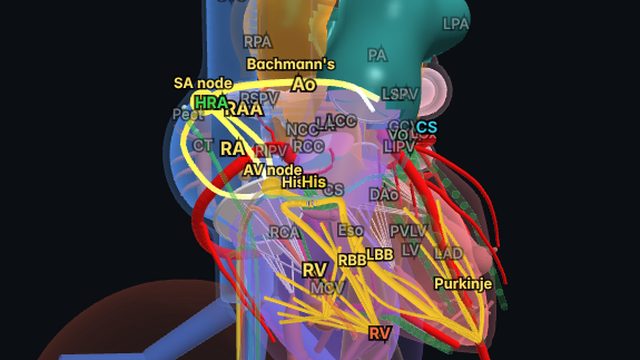
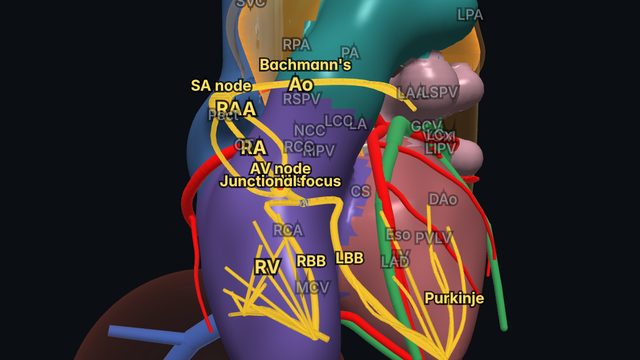
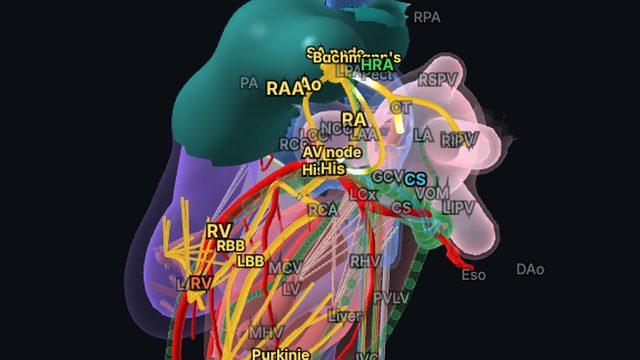
Sick sinus syndrome (sinus node dysfunction) covers sinus bradycardia, sinus pauses or arrest, sinoatrial exit block, chronotropic incompetence and the tachy-brady syndrome, in which atrial arrhythmias alternate with slow rates. It is most often degenerative and age-related, but drugs, ischaemia and other conditions can cause or unmask it.
On the ECG
A slow sinus rate with intermittent pauses: no P wave and no QRS until the next sinus beat or an escape beat. Symptoms such as dizziness, fatigue or syncope correlated with the rhythm are what matter clinically.
Treatment
Reversible causes (medications, electrolyte or thyroid problems) are corrected first. Permanent pacing is indicated when symptoms are clearly attributable to sinus node dysfunction.
Frequently asked questions
When does sick sinus syndrome need a pacemaker?
Guidelines recommend permanent pacing when symptoms are directly attributable to sinus node dysfunction after reversible causes have been excluded. Asymptomatic sinus bradycardia or pauses during sleep usually do not need pacing.
References
- Kusumoto FM, et al. 2018 ACC/AHA/HRS guideline on the evaluation and management of patients with bradycardia and cardiac conduction delay. Circulation. 2019;140:e382–e482.
- Issa ZF, Miller JM, Zipes DP. Clinical Arrhythmology and Electrophysiology: A Companion to Braunwald’s Heart Disease. Elsevier.
Educational content for clinicians and trainees; not medical advice. The simulator's rhythms are simplified models for teaching.